Share

Why Your Perfume Smells Different on You Than on Someone Else
Share
Perfume smells different on different people because it interacts with each person's unique skin chemistry — pH, natural oils, hydration level, and body heat all affect how a fragrance's notes develop. The bottle is identical; the result on skin isn't, because skin isn't a neutral surface.
Your Skin Changes the Formula
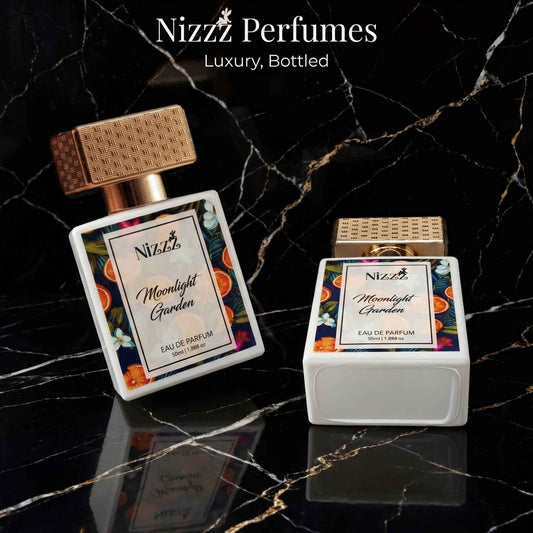
When a fragrance's oils meet your skin's natural lipid layer, they blend with it. That blend is shaped by things unique to you: skin pH, diet, hormones, and baseline body temperature. This is why a citrus-forward scent like Moonlight Garden might read as sharp and clean on one person and warmer, muskier on another — both are "correct," just different expressions of the same formula.
Skin Type Affects How Long It Lasts
- Oily skin holds onto fragrance oils longer, acting as a natural fixative — scents tend to project louder and last longer.
- Dry skin absorbs liquid quickly, so top and heart notes evaporate faster, shortening how long a fragrance lasts overall.
If you have dry skin and want a fragrance to last, apply an unscented, fragrance-free moisturizer first — it gives the perfume oils a better surface to cling to.
Body Heat Changes the Order of the Notes
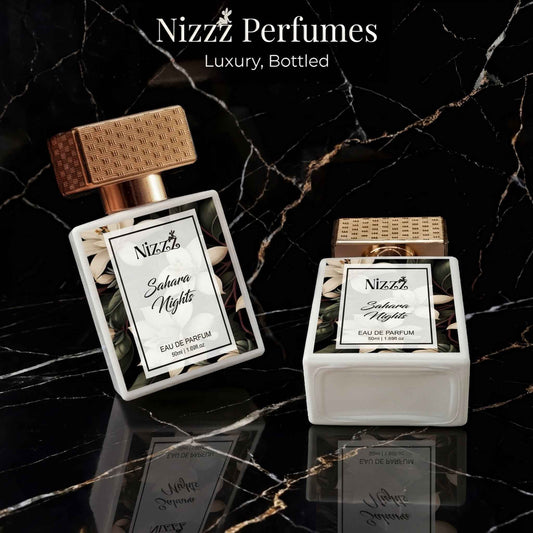
Fragrances are built in layers: top notes (the first impression), heart notes (the core), and base notes (what lingers longest). Higher body temperature accelerates the evaporation of the lighter top notes, pushing the deeper base notes forward sooner. This is why an oud-heavy scent like Sahara Nights can feel like it reaches its rich, woody base faster on someone with naturally warmer skin.
How to Work With Your Own Chemistry
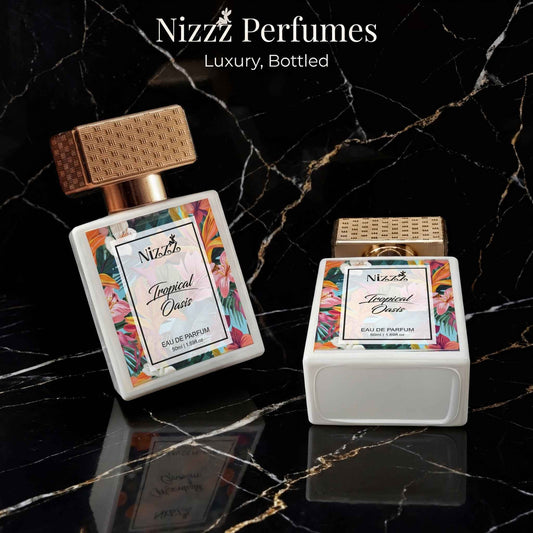
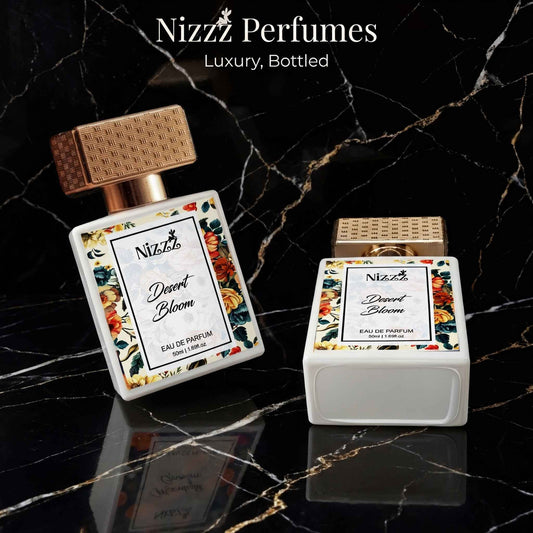
If a fragrance pulls too sweet or too light on your skin, layering it with something deeper can rebalance it. For example, a light spray of Desert Bloom underneath a sweeter scent tempers the sweetness with rose and spice, creating a result that's closer to what you were expecting from the bottle. This is the idea behind our layering combo sets — combining two Eau de Parfums to compensate for what your individual skin chemistry changes.
Two Simple Application Habits That Help
Avoid rubbing your wrists together after applying — the friction generates heat that breaks down the fragrance's molecular structure and can distort how it develops. And store your bottle away from heat and direct sunlight so what you're applying is the fragrance as it was designed, not one that's already degraded.
The Bottom Line
A perfume smelling different on you than on a friend isn't a flaw — it's your skin chemistry doing exactly what it does to everyone. Understanding this makes it easier to choose (and layer) fragrances that actually work with your body rather than against it. Explore the Nizzz collection to find a scent suited to your chemistry.
Frequently Asked Questions
Why does perfume smell different on me than on my friend?
Individual skin pH, oil levels, and body temperature all interact with fragrance oils differently, changing how the scent develops.
Does oily skin make perfume last longer?
Yes, natural oils act as a fixative that helps hold fragrance molecules on the skin longer than dry skin does.
Should I rub perfume into my skin after spraying it?
No, rubbing creates friction and heat that can break down the fragrance's molecular structure and alter the scent.